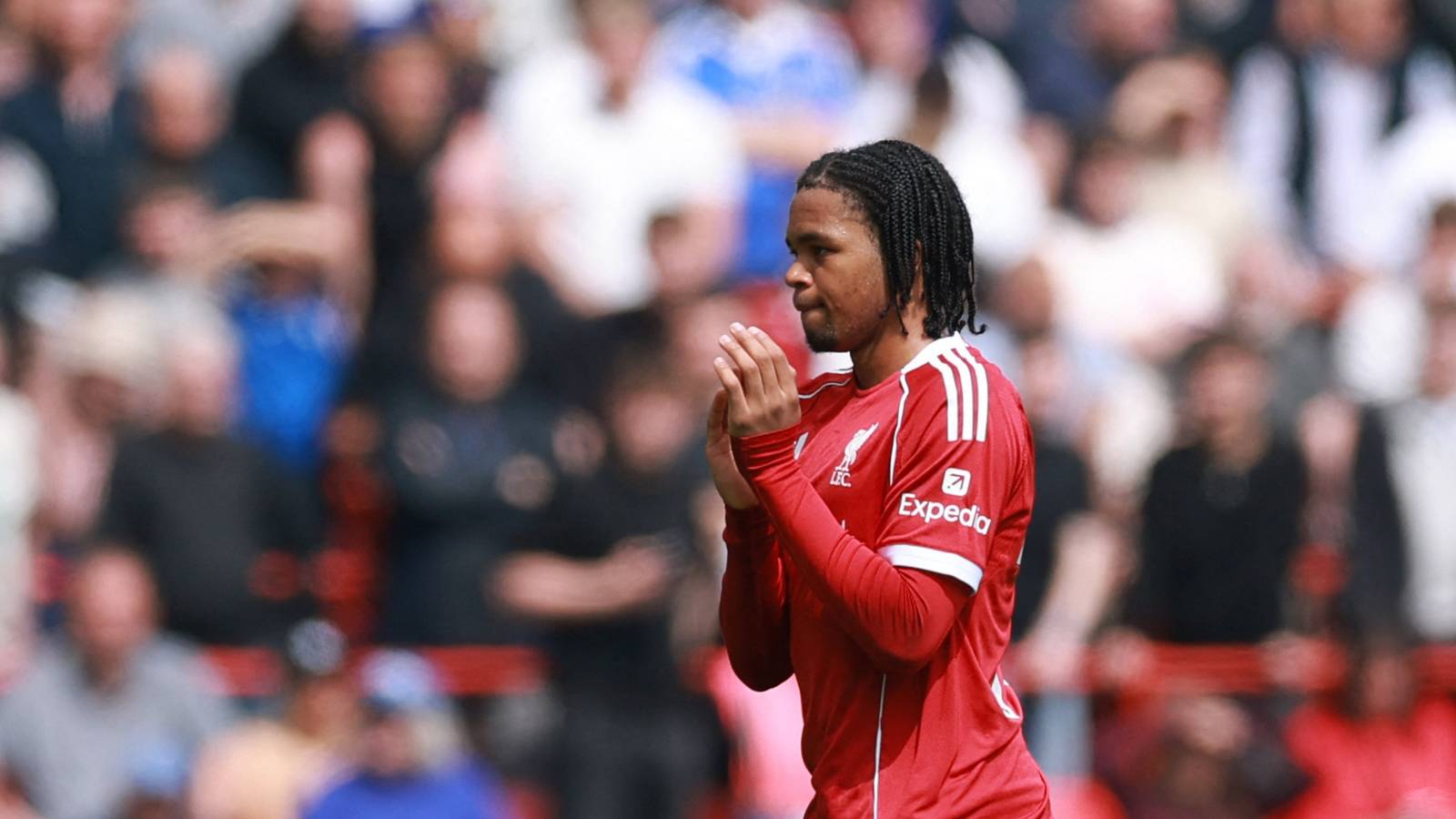
12 months ago, Liverpool were in party mode. The Premier League title was wrapped up now. Arne Slot had already made his trip to Ibiza and deserved to celebrate his first success.
No one believed his hangover would last a year, though.
The Reds have gone from champions of England to a team that threatens to overthrow its manager and pledge allegiance to the King of Egypt.
Something has to change this summer, starting with the addition of new faces.
Liverpool are opening talks to sign the £39m winger
As Mohamed Salah prepares to leave his throne as he speaks to the nation for the last time, Liverpool must begin the impossible task of finding his successor.

Regardless of the arguments, even Slot will admit that trying to find the next Salah will be a fool’s errand.
There is no other version of the Reds fantasy out there. Instead, those at Anfield will have to hope that Alexander Isak does enough to take on the role of talisman, while reshaping what it means to be a Liverpool player.
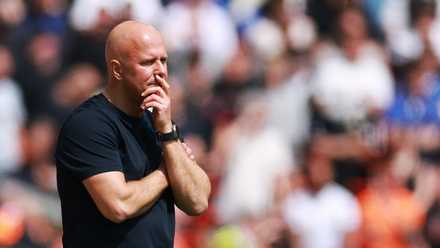
Fabrizio Romano says Liverpool officials are meeting with Arne Slot despite reports
Arne Slot is under pressure with Liverpool needing a point on the final day.
And once they have their new formula, it looks like one man will be among them. According to TEAMTalk, Liverpool have opened talks to sign Bazoumana Toure from Hoffenheim this summer.
The German club are expected to demand around 45 million euros (£39m), which would make Toure their record selling fee.
Based on last summer’s spending, that wouldn’t be a problem for Liverpool and they are clearly fans of the winger, having officially registered their interest.

Dubbed “one of the fastest players in Europe” and a “miniature Sadio Mane” by Liverpool journalist Bence Bocsak, it’s easy to see why the Reds have Toure on their radar, but his arrival would only stop the development of Rio Ngumoha.
Why Toure’s arrival will be bad news for Ngumoha
Ngumoha is a king in waiting for Liverpool fans. With Salah leaving, he represents the most suitable option left to fill the golden boots left behind. The Anfield management may have a different idea in mind, however.

Their pursuit of Toure can only be bad news for the youngster, who could see himself nominated at the coronation ceremony this summer.
The 20-year-old is impressive, but it is not a battle that Liverpool should be burning. Why break Hoffenheim’s record for a quick and tricky runner when Ngumoha has proven himself to be just that?
|
League statistics 25/26 P90 |
Jealousy |
Tour |
|---|---|---|
|
Minutes |
478 |
2,325 |
|
Goals |
0.38 |
0.19 |
|
It helps |
0.19 |
0.16 |
|
What it takes |
5.65 |
1.86 |
|
The success of the takeover |
69.8% |
42.9% |
It’s difficult to compare goals per game when Toure has so many minutes under his belt, but early success can be assessed.
The threat that Ngumoha provides in that department cannot be compared to the Liverpool team and cannot be compared to Toure. What stands out is that this 17-year-old player has tried many times in each game with high success. He doesn’t get that success by being safe in football, he does it because he is treated badly.
Toure, compared to the extra minutes of support, tends to misunderstand and is less successful when he tries to go it alone. On paper, if Liverpool are looking elsewhere, Ngumoha is their man.
That’s why it would be bad news for Slot if Liverpool go out and sign Toure this summer. It would give the Dutchman another unnecessary headache when his tenure is already weak.
The boos around Anfield when Ngumoha was substituted against Chelsea should be a clear indication of where the defender stands.

The Reds have been incredibly predictable going forward all season. So much so that they often come out of ideas. Ngumoha is different from that, however.
He is a unique outlet who can produce something out of nothing and signing Toure would not only end his run in the side, but also stand in his clear path to development.

Better than Mac Allister: Liverpool in talks to sign ‘insane’ £68m star
Liverpool are expected to consider Mac Allister’s place at the club at the end of the season.